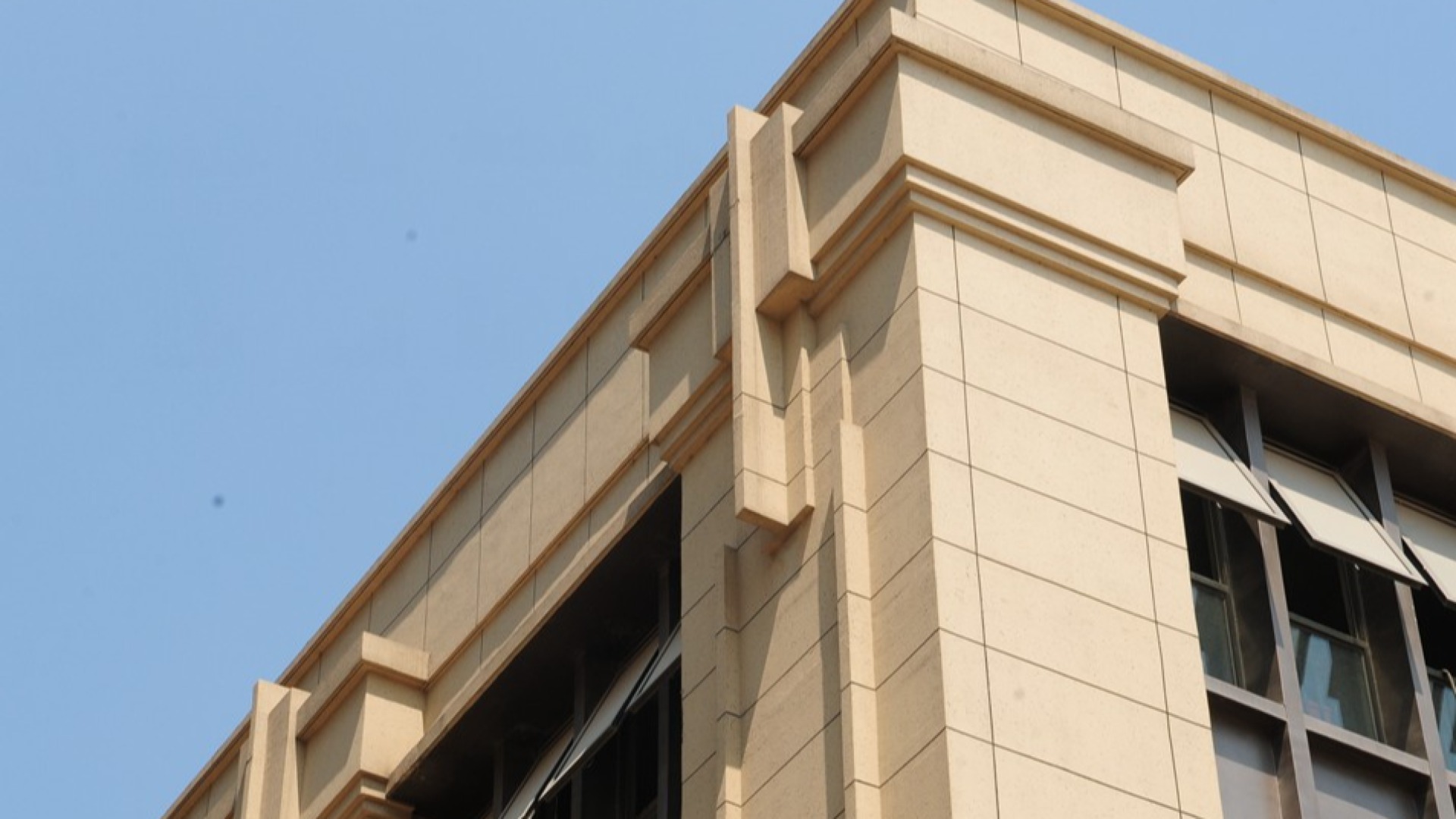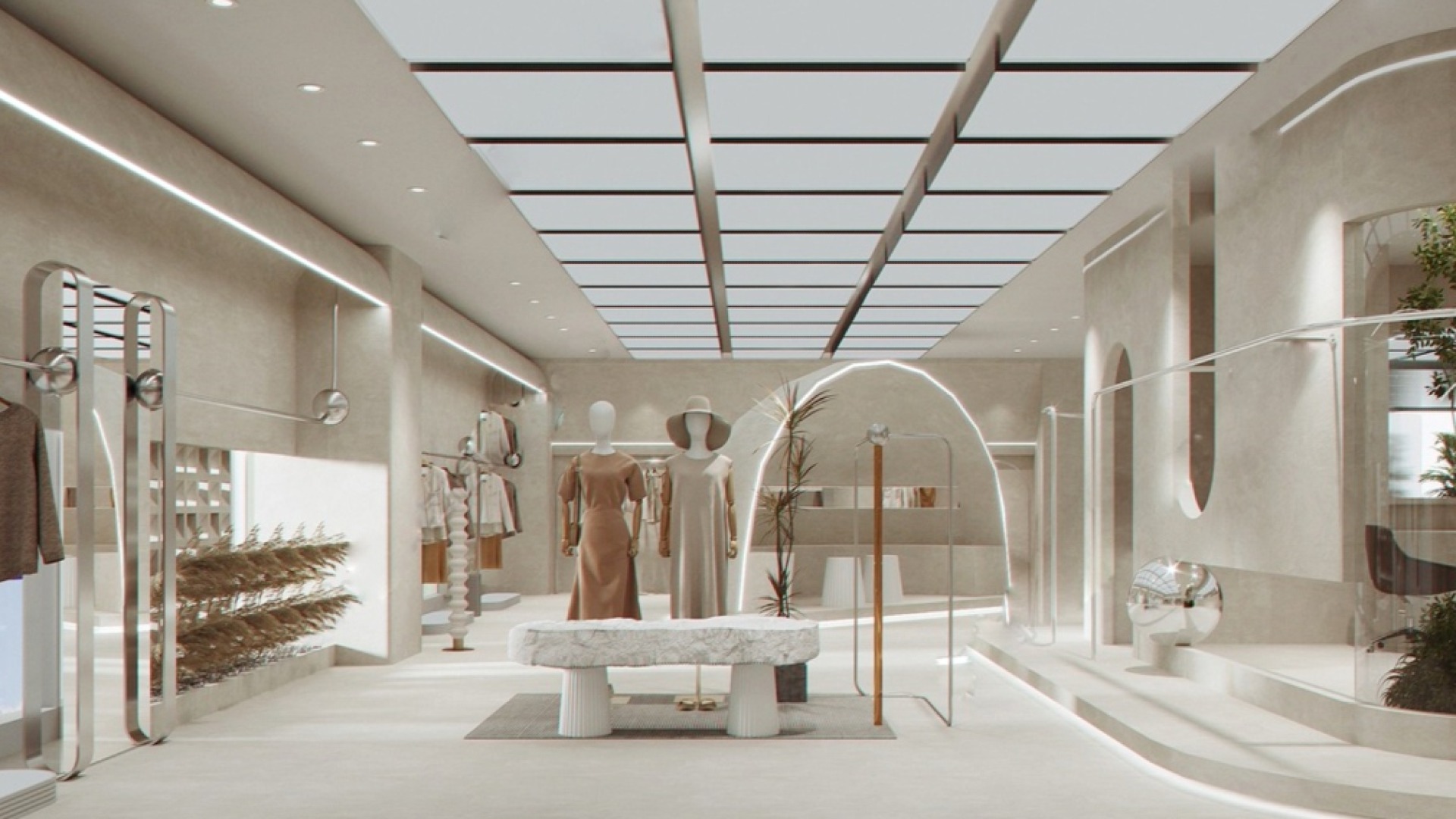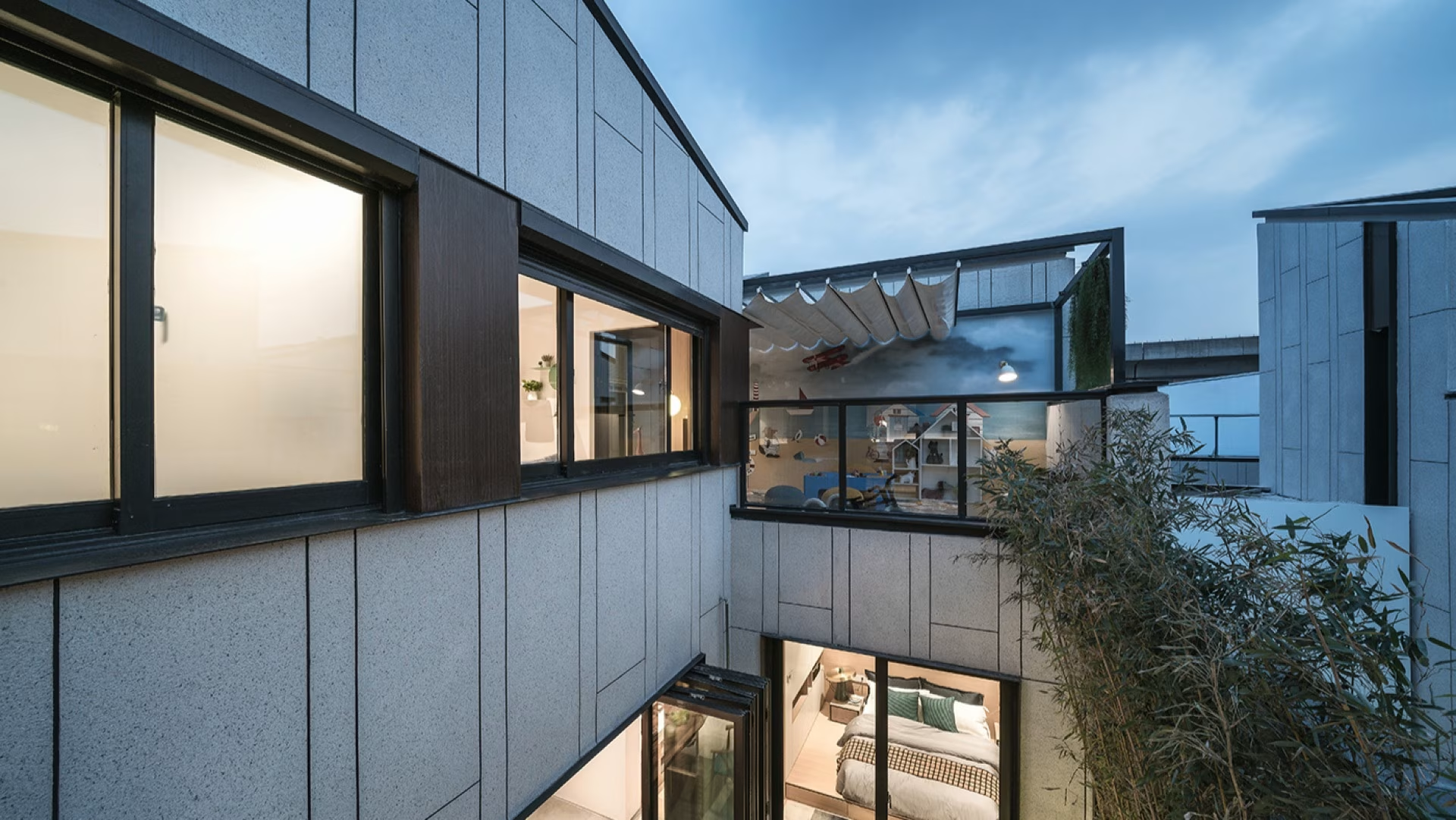
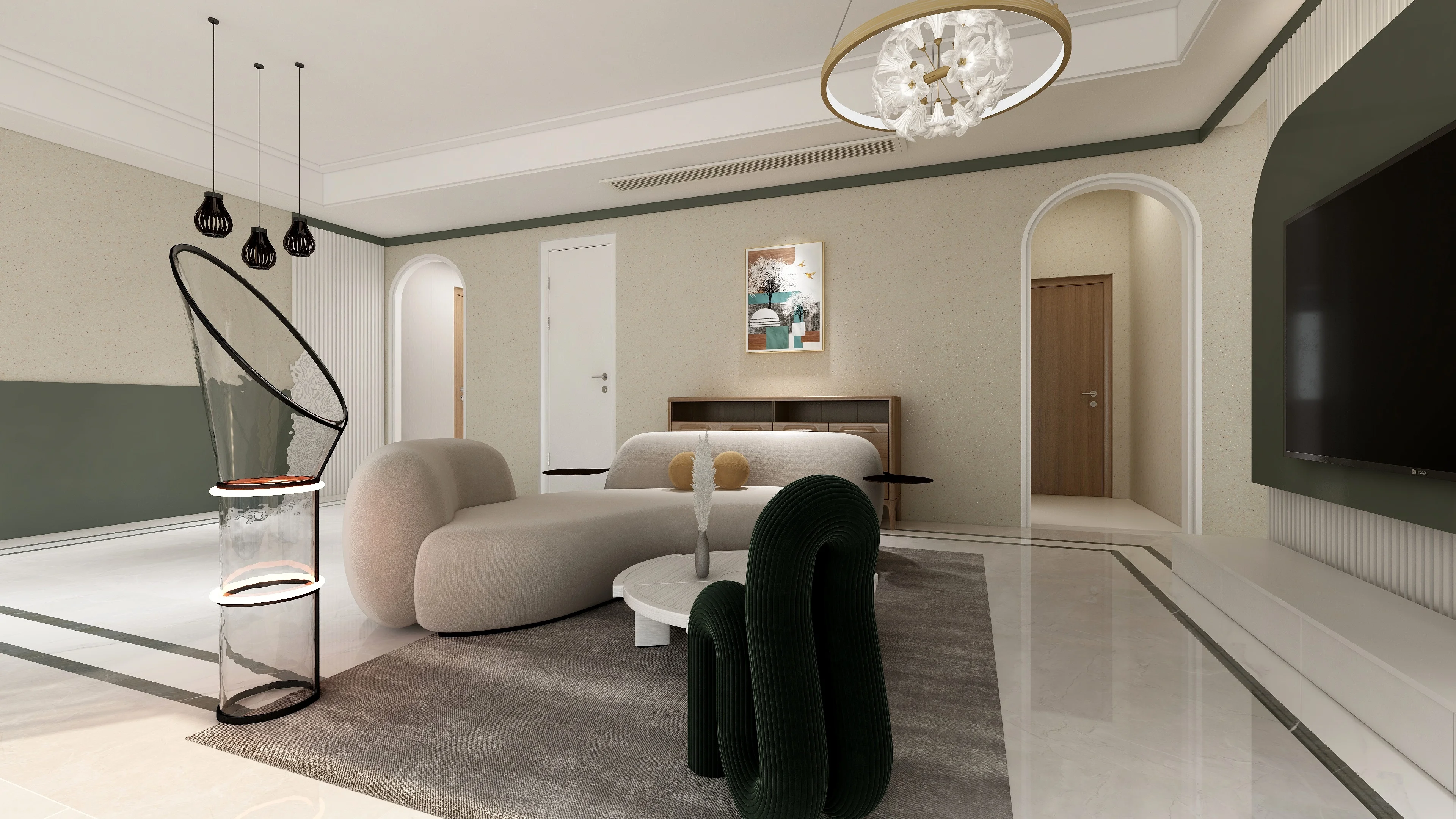
Opus coating system delivering a refined stone texture with exceptional durability for interior and exterior walls. Trowel-applied silicone acrylic emulsion with sintered coloured sand — 72+ wall colours and 12 floor colours, 10-20 year rated lifespan.
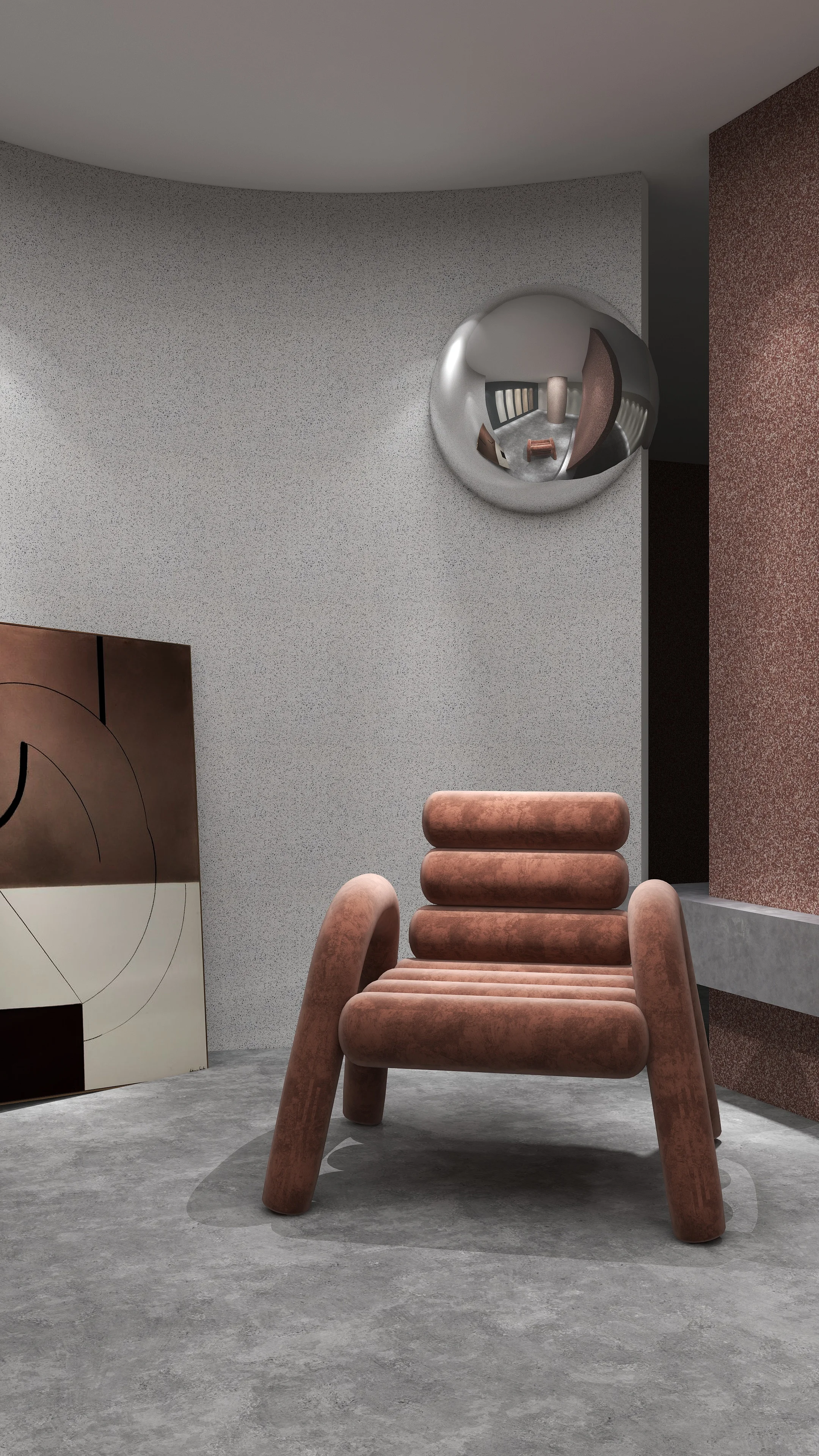
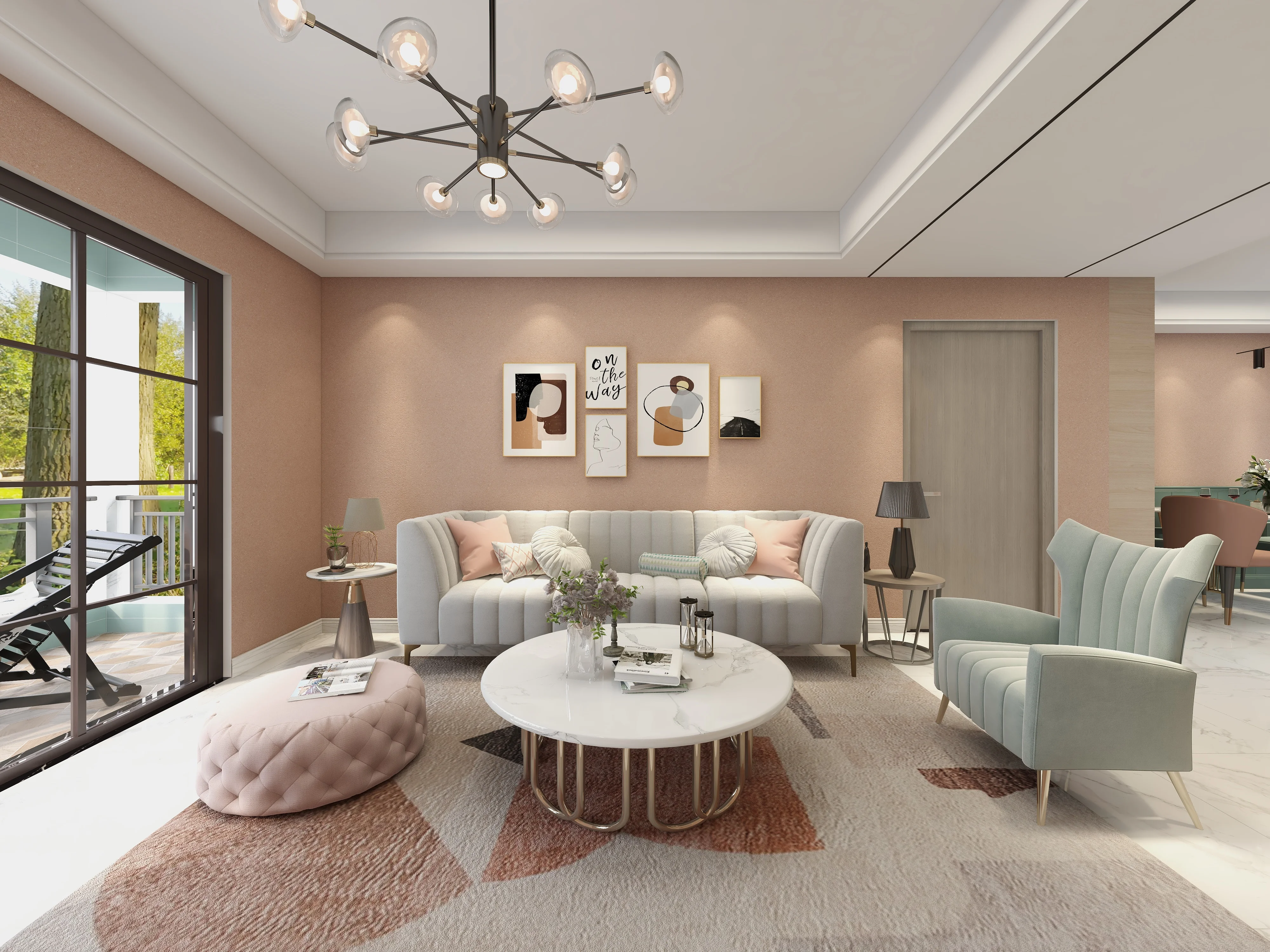
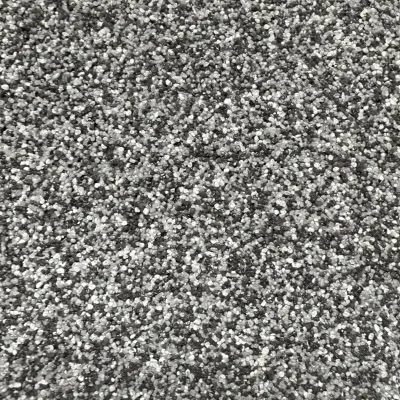
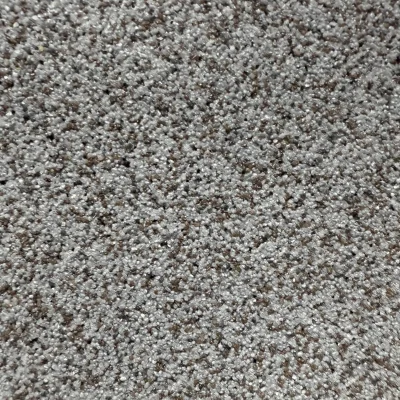
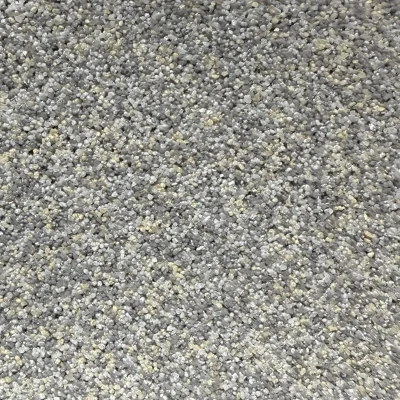
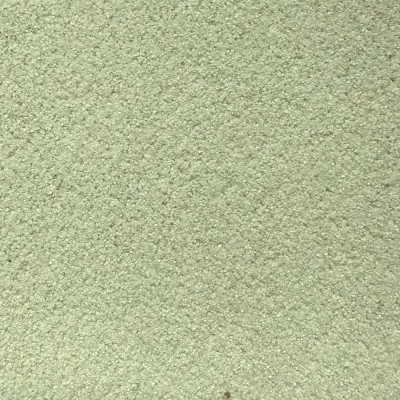
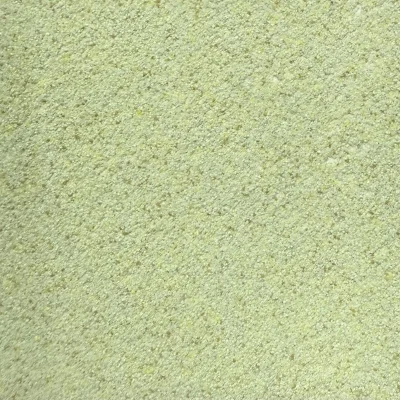
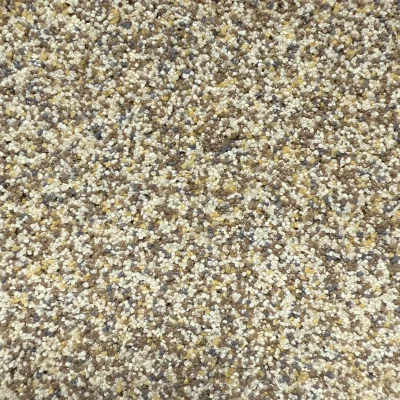
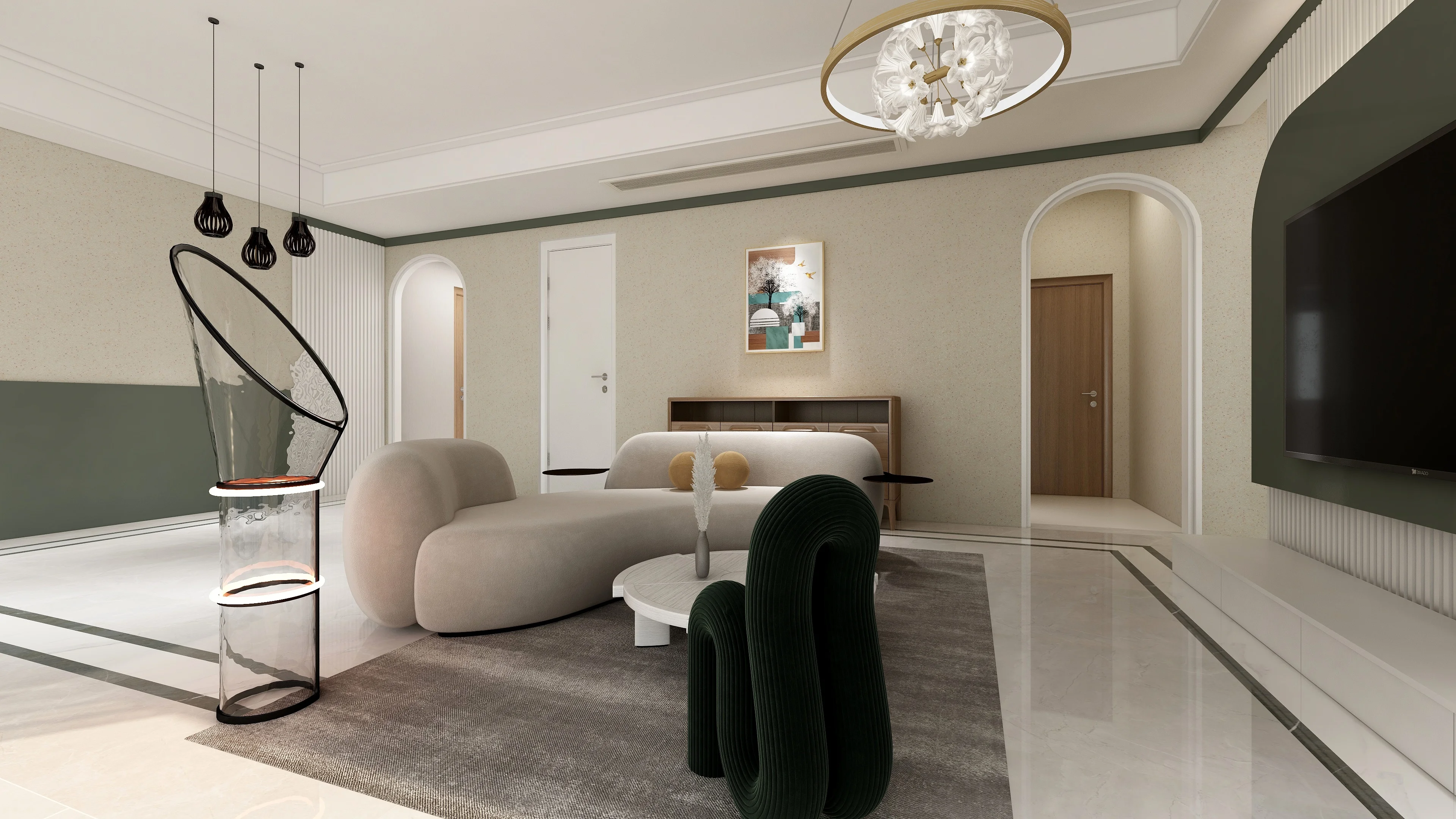
TechStone Opus is a premium crystal diamond sand coating composed of silicone acrylic emulsion blended with sintered coloured sand and advanced additives. The system produces a refined stone-like texture with visual depth that elevates facade and interior wall surfaces beyond conventional paint or render finishes.
The four-layer system — Primer, Base Coat, Main Coat, and Top Coat — is applied using roller for the primer and base layers, then stainless steel batch knife or trowel for the main coat at 2.5 to 3.5 kg/m2. The main coat is applied at a 45-degree angle, allowed to dry, then scraped flat with the batch knife to produce a smooth, crystalline surface. Two coats of the main material build a total thickness of 1.5 to 2.0 mm. The protective top coat provides UV resistance, self-cleaning properties, and a waterproof seal.
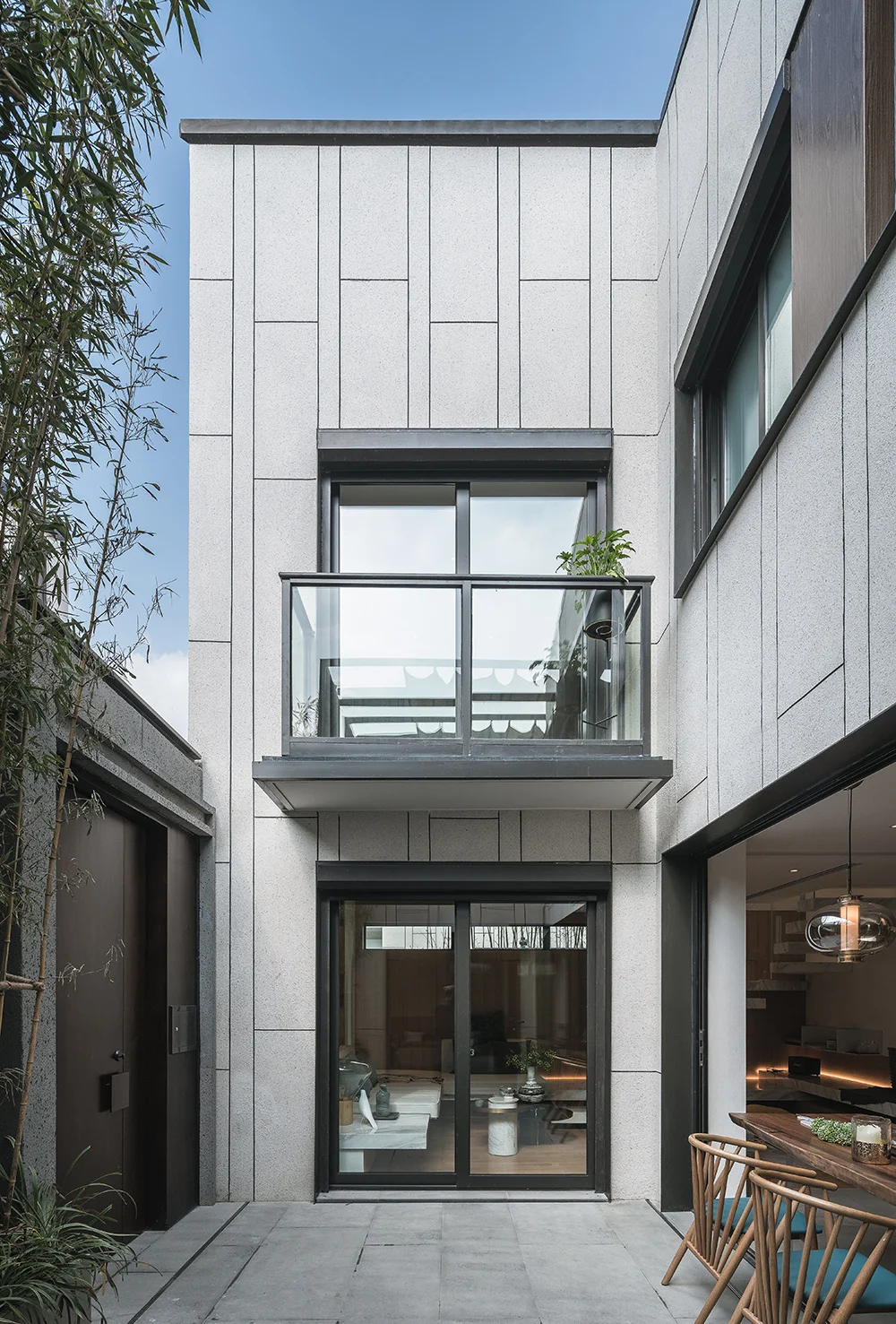
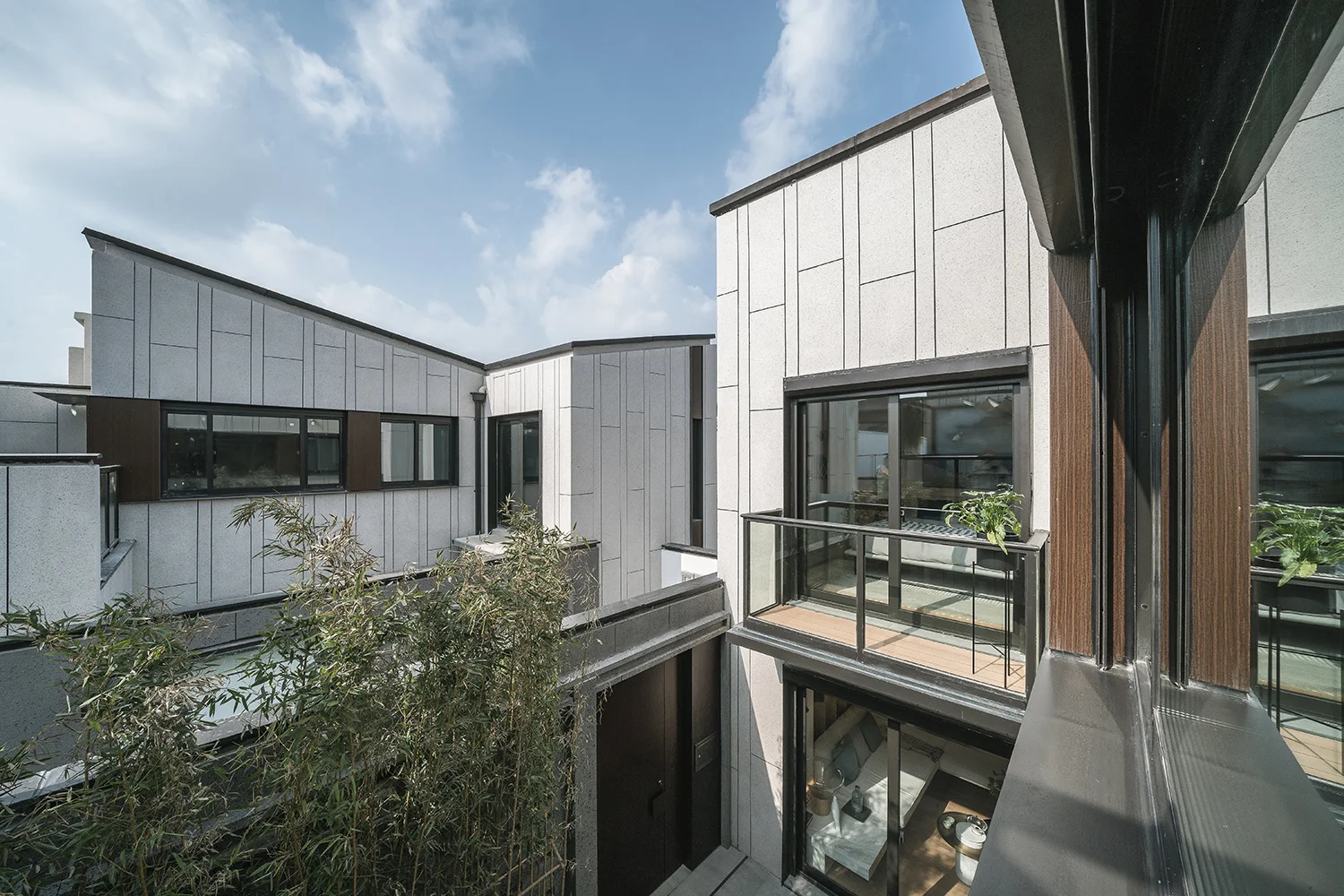
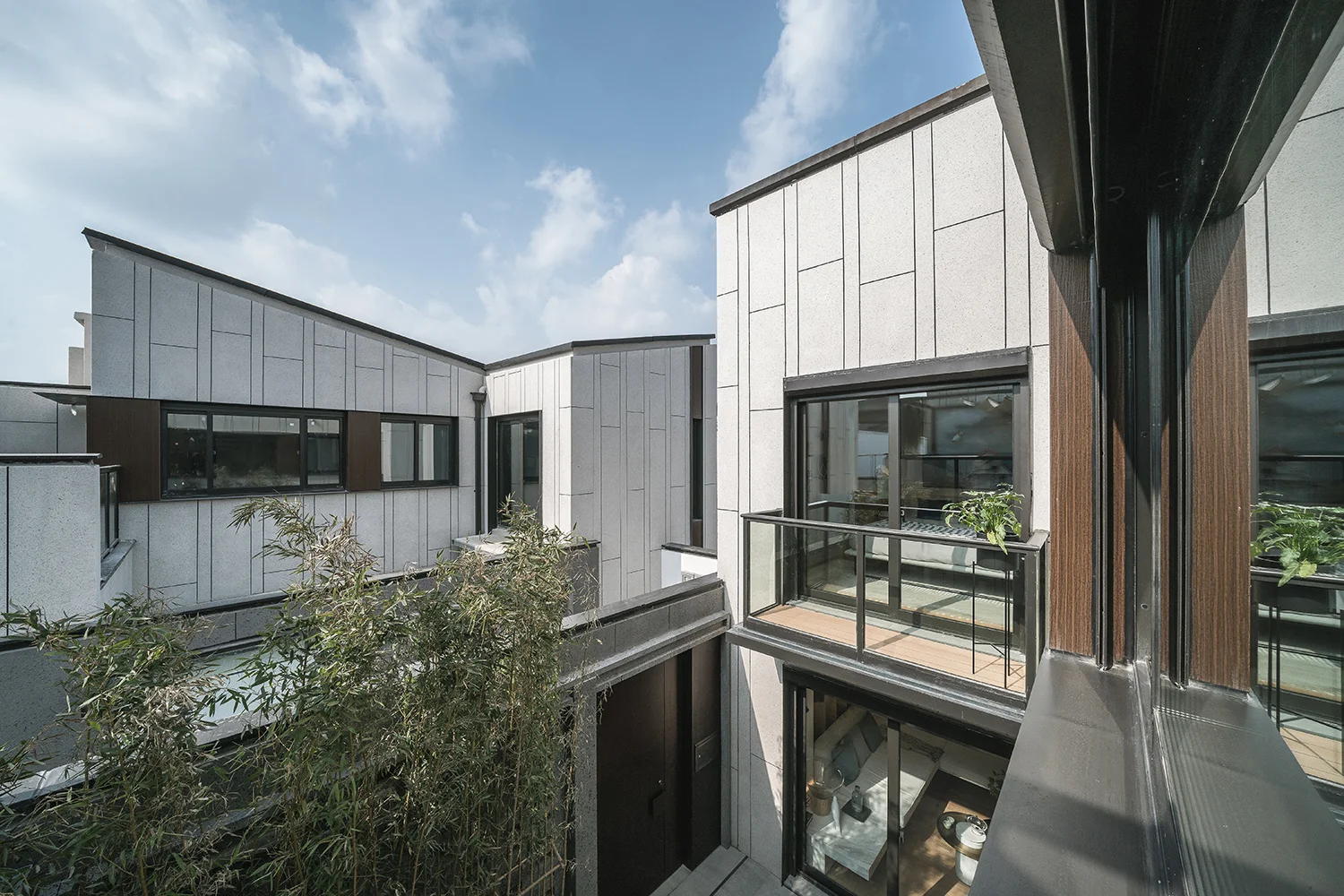
Opus accommodates design joints — scored lines filled with accent colour and protected with masking tape during main coat application — enabling panel patterns, block coursing, or bespoke geometric layouts on large facade areas.
The system is rated for both interior and exterior use with a 10 to 20 year service life. It is crack-resistant and flexible, withstands UV exposure without fading, and offers self-cleaning and mildew-resistant properties. Compatible substrates include cement, putty, concrete, glass, aluminium, steel, and wood. The water-based formulation is low-VOC and low-formaldehyde, meeting environmental and indoor air quality requirements for commercial and residential specification.
Available in 72+ wall colours and 12 dedicated floor colours, Opus is supplied in 5 kg and 20 kg buckets. Exterior installations require topcoat reapplication every 3 to 5 years.
The four-layer system — Primer, Base Coat, Main Coat, and Top Coat — is applied using roller for the primer and base layers, then stainless steel batch knife or trowel for the main coat at 2.5 to 3.5 kg/m2. The main coat is applied at a 45-degree angle, allowed to dry, then scraped flat with the batch knife to produce a smooth, crystalline surface. Two coats of the main material build a total thickness of 1.5 to 2.0 mm. The protective top coat provides UV resistance, self-cleaning properties, and a waterproof seal.
Opus accommodates design joints — scored lines filled with accent colour and protected with masking tape during main coat application — enabling panel patterns, block coursing, or bespoke geometric layouts on large facade areas.
The system is rated for both interior and exterior use with a 10 to 20 year service life. It is crack-resistant and flexible, withstands UV exposure without fading, and offers self-cleaning and mildew-resistant properties. Compatible substrates include cement, putty, concrete, glass, aluminium, steel, and wood. The water-based formulation is low-VOC and low-formaldehyde, meeting environmental and indoor air quality requirements for commercial and residential specification.
Available in 72+ wall colours and 12 dedicated floor colours, Opus is supplied in 5 kg and 20 kg buckets. Exterior installations require topcoat reapplication every 3 to 5 years.
System Highlights
10-20 year lifespan
Crack resistant and flexible
UV resistant
Self-cleaning
Mildew resistant
Water-based, low VOC
72+ wall colours, 12 floor colours
Design joint capable
Interior and exterior rated
Trowel / batch knife application
System Specifications
| Density | 1.7 - 1.8 g/cm3 |
| CSI Spec | 09 96 00 / 09 96 08 |
| Full Cure | 7 days at 25C |
| Packaging | 5 kg and 20 kg buckets |
| Maintenance | Reapply topcoat every 3-5 years (exterior) |
| VOC Content | Low VOC (water-based) |
| System Build | Primer -> Base Coat (x2) -> Main Coat (x2) -> Top Coat (x2) |
| Dry to Recoat | Primer 2-3 hrs, Base 4-6 hrs, Main 12-24 hrs, Top 4-6 hrs |
| Exterior Rated | Yes |
| Total Coverage | 3.0 - 4.0 kg/m2 (all layers) |
| Application Temp | 5 - 40C (optimal 15-30C) |
| Coverage - Primer | 0.125 kg/m2 (1 coat) |
| Expected Lifespan | 10-20 years |
| Application Method | Roller (primer/base/top), trowel or batch knife (main coat) |
| Coverage - Top Coat | 0.125 kg/m2 (2 coats) |
| Main Coat Thickness | 1.5 - 2.0 mm |
| Suitable Substrates | Cement, putty, concrete, glass, aluminium, steel, wood |
| Coverage - Base Coat | 0.25 kg/m2 (2 coats) |
| Coverage - Main Coat | 2.5 - 3.5 kg/m2 (2 coats) |
Gallery
Common Questions
What substrates can Opus be applied to? +
Opus is compatible with cement, putty, concrete, glass, aluminium, steel, and wood substrates. The surface must be skim coated, dry, and even with moisture content below 10% and pH below 10. All cracks and holes must be filled with anti-crack mortar and smoothed before priming.
How is the Opus texture created? +
The main coat is applied using a stainless steel batch knife or trowel held at a 45-degree angle, building a thickness of 1.5 to 2.0 mm. After drying (8-12 hours), the surface is scraped flat with the batch knife to produce a refined crystalline stone texture. A second main coat is then applied using the same technique.
What is the full Opus system build-up? +
Opus is a four-layer system: Primer (1 coat, roller/spray, 0.125 kg/m2), Base Coat (2 coats, roller, 0.25 kg/m2), Main Coat (2 coats, trowel/batch knife, 2.5-3.5 kg/m2), and Top Coat (2 coats, roller, 0.125 kg/m2). Total material consumption is approximately 3.0 to 4.0 kg/m2.
Can design joints be incorporated into the Opus finish? +
Yes. Before applying the main coat, design joints are drafted on the base coat surface and filled with the chosen accent colour. Masking tape protects the joint lines during main coat application. After the main coat dries, the tape is removed to reveal clean joint lines. This enables panel patterns, block coursing, or bespoke geometric layouts.
What is the expected lifespan and maintenance cycle? +
Opus is rated for a 10 to 20 year service life under normal conditions. The self-cleaning top coat requires minimal maintenance — routine cleaning with water or mild detergent as needed. For exterior installations, the protective topcoat should be reapplied every 3 to 5 years. Annual visual inspection is recommended.
At a Glance
| CSI Spec | 09 96 00 / 09 96 08 |
| System Build | Primer → Base Coat (×2) → Main Coat (×2) → Top Coat (×2) |
| Application Method | Roller (primer/base/top), trowel or batch knife (main coat) |
| Main Coat Thickness | 1.5 – 2.0 mm |
Available Colours
Documents
4 documents available for this system.
Want to specify this system?
Specify TechStone
Try Before You Specify
Request a physical colour sample delivered to your office or project site.
Request a Sample
✓
Sample request sent!
We'll be in touch within 1 business day.
Site Visit
Schedule a consultation or on-site demonstration with our technical team.
Book a Site Visit / Appointment
✓
Appointment request sent!
We'll be in touch within 1 business day.